Carpet Cleaning Greeley CO for Removing Lingering Smells


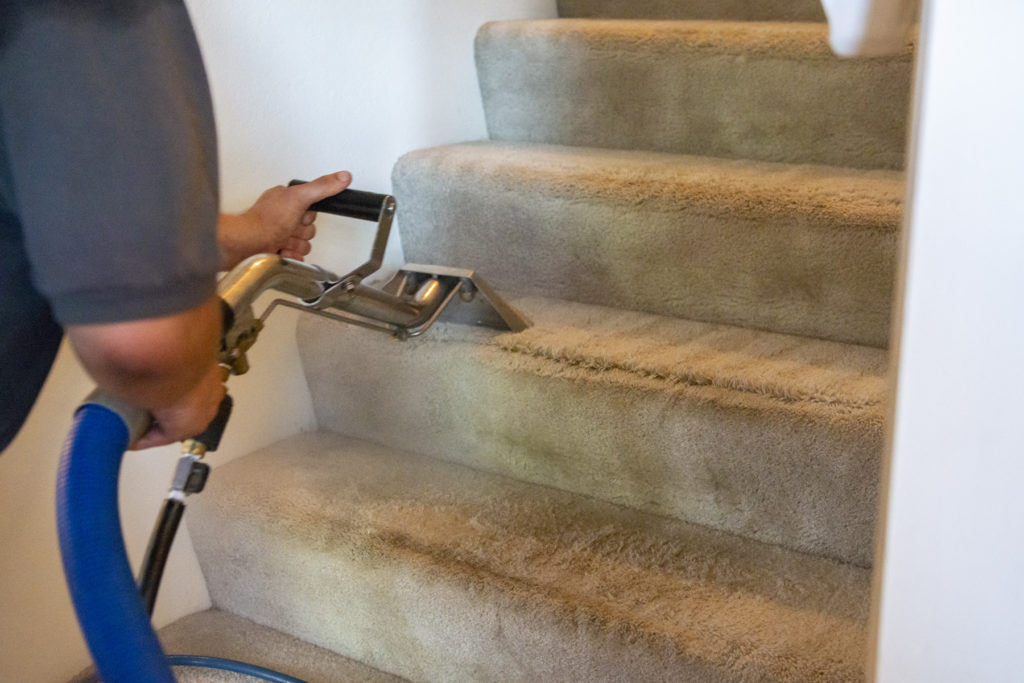
A carpet can look clean and still hold onto odor. That is the part many homeowners in Greeley discover after vacuuming, opening windows, spraying air freshener, and wondering why the room still smells faintly musty, sour, or stale by evening. Odor lives below the surface. It settles into the carpet pile, clings to the backing, and sometimes seeps into the pad underneath. If the source is not treated correctly, the smell returns as soon as humidity rises, the furnace kicks on, or someone walks across the room.
That pattern is common in Northern Colorado homes. Greeley’s dry climate helps in some situations, but it can also fool people into thinking a spill has fully dried and no longer matters. Then winter comes, the house closes up, and every trapped smell becomes more noticeable. Pet accidents from months ago can resurface. Moisture left from a small plumbing leak can start to smell earthy. A home recently purchased can reveal years of cooking residue, smoke, and traffic once the new owners settle in and the air fresheners wear off.
Carpet Cleaning Greeley CO services are often called in for exactly this reason. The carpet is not just dirty. It has become a reservoir for odor molecules, oils, bacteria, and residue. Getting rid of lingering smells takes more than one generic cleaning pass. It takes diagnosis, the right chemistry, enough extraction power, and a realistic understanding of when the issue is in the carpet and when it has spread into the cushion or subfloor.
Why lingering smells are harder to remove than visible stains
A visible stain gives you a clue. You know where the spill happened, roughly what caused it, and how large the affected area might be. Odor is more slippery. A room can smell bad even when the source is hidden under furniture, along baseboards, or in a small patch near a doorway that gets damp every time someone comes in from snow or rain. People also grow nose-blind to their own home, which makes it difficult to gauge severity until a visitor notices it right away.
Odor removal is harder because smell is not always linked to discoloration. Urine can dry nearly invisible while leaving salts deep in the fibers and pad. Beverage spills may disappear from view but ferment in the backing. Wet carpet from a small leak can dry unevenly, trapping microbial growth where you cannot see it. Smoke, cooking grease, and everyday foot traffic build gradually, so homeowners often treat the problem like stale air when it is really years of accumulation in soft surfaces.
I have seen homes where the owners swore the smell came from the ductwork, only to find the worst area was a hallway runner near the garage entry. Every trip in with wet shoes, lawn chemicals, and day-to-day grime had added another layer. Once the carpet was thoroughly cleaned and flushed, the difference was obvious. I have also seen the opposite, where a carpet cleaning improved the room but did not solve it because the pet damage had gone through the pad and into the subfloor. Good service depends on making that distinction before promising results.
The most common odor sources in carpet
Not all odors respond the same way. A protein-based pet accident behaves differently from mildew. Smoke residue behaves differently from food spills. If a cleaner uses one method for every smell, results tend to be inconsistent.
The sources that show up most often in residential carpet include the following:
- Pet urine and dander, especially in homes with older pets or repeated accidents in the same area
- Moisture-related odors from leaks, snow tracked indoors, overwatering houseplants, or poor drying after a spill
- Food and beverage residue, including milk, coffee, soda, grease, and alcohol
- Smoke and heavy cooking odors that settle into carpet fibers over time
- General buildup from shoes, body oils, dust, and infrequent deep cleaning
Each of these has its own chemistry. Urine, for example, contains compounds that can crystallize as it dries. Those crystals reactivate with moisture, which is why a room may smell stronger on humid days or right after a steam cycle in the house. Mildew odors are often tied to trapped moisture and microbial growth. Grease-based food residue attracts dirt and can create a stale, sour smell that no room spray will cover for long.
What actually works, and what usually disappoints
A lot of consumer odor treatments focus on masking. They add fragrance, absorb some smell temporarily, or clean only the upper layer of the carpet. That can help with a mild issue, but it rarely solves a persistent one. Baking soda has its place for light freshening, and store-bought spot products can be useful for quick response after a spill. The problem begins when those methods are used as the main fix for deep contamination.
True odor removal usually requires four things: identifying the source, treating the source with the right product, rinsing or extracting thoroughly, and drying the carpet quickly enough to avoid creating a second problem. Skip one step and you may reduce the smell without removing it.
Hot water extraction, often called steam cleaning by homeowners, remains one of the most effective methods when done properly. The key phrase is “done properly.” Too much water, weak suction, or inadequate pre-treatment can leave the carpet cleaner on the surface but smellier underneath. Professional-grade extraction has enough lift to remove suspended soils and residue from deeper in the pile. For pet odor, enzymes or oxidizing treatments may be used depending on the age and severity of the contamination. For smoke and greasy residue, the chemistry changes again.
One mistake I see often is over-wetting a problem area. Someone notices a smell, pours on a gallon of cleaner, scrubs hard, and then leaves it to air dry. That can drive contamination deeper, especially if the spill or urine reaches the backing. In some cases, it also loosens adhesives or creates browning as material wicks upward from below. More product is not always better. Better extraction is what matters.
The role of professional assessment
A reputable cleaner does not just walk in and start spraying. They ask questions. When did you first notice the smell? Does it get worse at certain times of day? Is it stronger after rain, after the furnace runs, or after pets come inside? Has there been any plumbing issue, flooding, or repeated spotting treatment? Those details matter.
In a pet-related case, a blacklight inspection may help identify old accident areas, though it is not perfect. In a moisture-related case, a moisture meter can reveal if the carpet or subfloor is still damp. Sometimes the smell that seems to be everywhere is actually concentrated in a relatively small zone. Other times the whole carpet has reached the point where deep cleaning is needed throughout because odors have spread from years of use and poor maintenance.
This is where Carpet Cleaning Greeley CO companies separate themselves. A local team that works in these homes year-round tends to understand the regional patterns. Winter slush at entryways, irrigation overspray near sliding doors, dry-air dust buildup, and pet wear in family rooms all have a distinct effect on carpet over time. A cleaner with that local experience is more likely to notice the subtle causes instead of treating every odor as a simple stain issue.
Why Greeley homes develop odor problems in specific ways
Climate shapes carpet problems more than people realize. Greeley is not a humid coastal market where mildew dominates year-round, but that does not mean odor is rare. It shows up differently. Dry air can help a surface dry fast while leaving residue behind. Temperature swings can make smells more obvious. Closed-up winter homes concentrate stale air, while spring thaw brings in moisture and mud.
Homes with basements or garden-level rooms often face a separate challenge. Slight foundation moisture or seasonal dampness may not create visible wet spots, but carpet in lower levels can absorb enough ambient moisture to smell stale. Add storage, limited airflow, and a less-used space, and the odor lingers. I have also seen rental properties and student housing where heavy use, delayed spot treatment, and long gaps between deep cleanings created a layered odor problem. No single spill caused it. It was the Carpet Cleaning Greeley CO accumulated effect of dozens of small events.
Pet households are another major category. Even well-cared-for homes can develop odor in favorite pet areas, near doors, under windows, or in corners where animals return repeatedly. By the time the smell is noticeable to guests, there is often more contamination in the pad than the owner expected.
When cleaning the carpet is enough, and when it is not
This is the honest part that matters most to homeowners. Not every odor issue can be fixed with cleaning alone. Sometimes professional cleaning is exactly what the carpet needs. Sometimes it improves the situation but cannot erase severe contamination in the layers below. Knowing which is which prevents frustration.
Cleaning is often Carpet Cleaning Greeley CO enough when the issue is surface-level buildup, food spills that have not penetrated too deeply, mild pet accidents caught relatively early, or general stale odor from neglected maintenance. In these cases, thorough pre-treatment and hot water extraction can make a dramatic difference.
Cleaning may not be enough when urine has saturated the cushion repeatedly, when a leak has affected the subfloor, or when mold or mildew has developed below the carpet backing. In severe cases, sections of pad may need replacement. Occasionally, the carpet itself is too compromised to save economically. That is not what homeowners want to hear, but a trustworthy cleaner should say it when necessary.
One practical sign is odor rebound. If the carpet smells better for a day or two after cleaning but returns quickly, the source may still be below the cleaned layer. Another sign is a strong ammonia or sour smell concentrated in one area, especially where pets have had repeated access. At that point, sub-surface treatment or replacement becomes part of the conversation.
How the cleaning process should look when odor is the main complaint
A real odor-removal job is more deliberate than a routine maintenance cleaning. It usually follows a sequence, even if the exact products vary by company and fiber type.
- Inspection and testing to locate odor sources, check fiber type, and spot any moisture or sub-surface concerns
- Targeted pre-treatment with the right odor-control product, not just a standard detergent
- Agitation or dwell time so the treatment can actually work on the contamination
- Deep extraction with enough suction to remove soil, residue, and as much dissolved material as possible
- Fast drying with airflow, along with clear advice on what to expect if the source extends into the pad or subfloor
Each step matters. Dwell time, for instance, is often underestimated. Certain treatments need several minutes to break down odor-causing compounds. Rushing from spray to rinse can leave performance on the table. On the other hand, letting product sit too long on delicate fibers is also a mistake. Good cleaning is not just about machines. It is about judgment.
Pet odor deserves its own strategy
Pet odor is the category that frustrates homeowners most, partly because it is emotional. People love their animals, and many are embarrassed by smells they have stopped noticing themselves. It helps to approach the issue without drama. Pet odor is common. It is manageable in many cases. But it needs the right method.
Fresh accidents are usually easier. The sooner urine is blotted and extracted, the better the chance of preventing deep saturation. Old accidents are harder because they may have spread wider than expected. The visible or detectable spot on top can be smaller than the affected area underneath. Urine follows gravity and can wick outward through the pad. That is why a carpet can smell stronger after a standard cleaning if the underlying contamination was not addressed directly.
Enzyme treatments can be effective for organic odor, but they are not magic. They need proper conditions to work, and they do not replace extraction. Some severe cases require flushing tools designed to push treatment through and pull contamination back out. If the pad is heavily affected, replacement may still be the best route. This is also where sealing the subfloor can become necessary before new pad or carpet is installed.
A homeowner once described the smell in a bedroom as “something stale that gets worse in the afternoon.” The carpet looked almost fine. Under inspection, the issue turned out to be years of small pet accidents around the bed perimeter where an older dog had been hiding them. The room improved with treatment and extraction, but one corner still rebounded. After pulling back the carpet, the pad told the real story. That is not unusual. Surface appearance can be very misleading.
Smoke, cooking, and old-house odors
Not every smell is biological. Some of the toughest jobs involve homes where odor has built slowly over years. Tobacco smoke, heavy frying, fireplace ash, and general age can settle into every textile in the room. In those cases, carpet cleaning helps, but it is one part of a broader deodorization effort.
Smoke residue is sticky. It attracts dust and clings to fibers. Standard detergent may remove soil while leaving part of the smell behind. Specialized chemistry often does a better job, but expectations should stay realistic. If walls, drapes, upholstery, and HVAC systems also hold residue, the carpet cannot carry the whole load. The same goes for homes with a long history of strong cooking odors. Carpet absorbs what is in the air.
That said, cleaning the carpet often delivers one of the biggest noticeable improvements because it removes a large odor-holding surface from the equation. Homeowners are sometimes surprised by how much lighter a room feels once the flooring has been thoroughly rinsed and dried.
Drying matters more than people think
A carpet that stays damp too long can start its own odor cycle. This is one reason poor-quality cleaning sometimes creates more complaints than it solves. If the contractor overwets the carpet or lacks enough extraction power, moisture lingers in the backing and pad. Then the homeowner notices a wet-dog or musty smell within a day or two and assumes all carpet cleaning causes odor. It does not. Slow drying causes odor.
In Greeley’s climate, proper drying is usually very achievable when the job is done well. Good airflow, moderate indoor temperature, and strong extraction often mean carpets dry within several hours, though heavily treated areas can take longer. Homeowners can help by keeping air moving and avoiding foot traffic until the carpet is mostly dry.
The smell right after cleaning should also be interpreted carefully. A room may carry the scent of cleaning agents or disturbed soils for a short period. That is different from an odor rebound after drying. A professional should explain the difference and tell you what timeline to watch.
Maintenance habits that keep smells from coming back
Once the carpet is clean, a few basic habits go a long way. Quick response to spills matters more than expensive products. Entry mats reduce tracked-in moisture and debris. Regular vacuuming removes the dry soils that grind into fibers and hold onto odor-causing residue. For pet households, routine attention to recurring spots prevents deep buildup.
Homeowners do not need to become obsessive. They do need to be consistent. A carpet that is deep-cleaned only after it smells bad is being asked to carry too much. Periodic professional cleaning keeps residue from reaching the point where odor becomes embedded. For busy family homes, once every 12 to 18 months is a reasonable rhythm. Homes with pets, children, frequent entertaining, or allergy concerns often benefit from more frequent service.
There is also value in addressing moisture sources outside the carpet itself. If a door threshold lets in snowmelt, if a plant leaks onto the same corner weekly, or if a humidifier drips unnoticed, cleaning alone will not hold the line for long. Odor prevention is part carpet care, part home maintenance.
Choosing a company for odor-focused carpet cleaning
When the main goal is odor removal, not just appearance, ask more pointed questions. Does the company treat pet odor differently from general cleaning? Do they inspect for sub-surface contamination? How do they handle drying? What results do they expect in mild versus severe cases? Straight answers matter more than sales language.
A good Carpet Cleaning Greeley CO provider should be comfortable discussing limits as well as benefits. If every job is promised as a total fix regardless of severity, that is a warning sign. The better answer is usually nuanced: yes, this should improve significantly, or yes, this may require pad replacement in one section, or no, fragrance alone will not solve what is going on here.
Local experience helps because many odor complaints are tied to the way people actually live in their homes, not just to the carpet fiber. A cleaner who understands seasonal moisture, pet patterns, basement conditions, and heavily used family spaces will usually diagnose faster and clean more effectively.
What homeowners should expect after the service
If the issue was moderate and mainly within the carpet fibers, the change can be immediate. The room smells cleaner, air feels lighter, and the stale note that had been lingering is gone. If the contamination was deeper, the result may be partial, with certain hotspots revealing themselves more clearly after the general odor is removed. That is not always a failure. Sometimes it is the first honest picture of where the real problem sits.
Most homeowners care about a simple question: will the smell come back? The truthful answer depends on source depth and follow-through. If the contamination was removed and the area dries correctly, the improvement should last. If the source remains in the pad, subfloor, or elsewhere in the room, the smell may return. That is why the best service combines cleaning skill with accurate diagnosis.
Lingering smells do not usually disappear by waiting longer, vacuuming more often, or layering fragrance over the room. They respond to targeted treatment, thorough extraction, and practical judgment. When that work is done well, carpet stops acting like a sponge for old odors and starts feeling like part of a clean, comfortable home again.
TLC Carpet & Air Duct Cleaning
6380 W 10th St, Suite 7
Greeley, CO 80634
(970) 352-8176
FAQ About Carpet Cleaning Greeley CO
How much should a carpet cleaner cost in Greeley?
Pricing depends on the number and size of rooms, carpet condition, and add-ons such as stain treatment or stairs. Ask for an itemized quote.
How long will my carpet take to dry after cleaning?
Drying time varies with the carpet, cleaning method, humidity, and airflow. Ask the technician for an estimate and when to move furniture back.
How do I prepare my home for carpet cleaning?
Pick up small items, clear a path for equipment, and point out stains or delicate fibers. Ask the cleaner which furniture they can move and what needs to be moved before the visit.